1. Posture
Keep your arms and shoulders relaxed.
Your hands should stay soft—no extra force is needed.
Sit or stand with your back straight, and keep your neck in a natural position.
You might notice in some videos my neck is slightly tilted up—that’s just me trying to fit the whole flute in the frame 🙂
2. Stretching & Warming Up
I'll be honest—I don't always remember to stretch before or after playing. But it's important to have a few simple exercises you can come back to, especially if you feel any discomfort. Think of this as something you can add to your routine over time, not something that needs to be perfect.
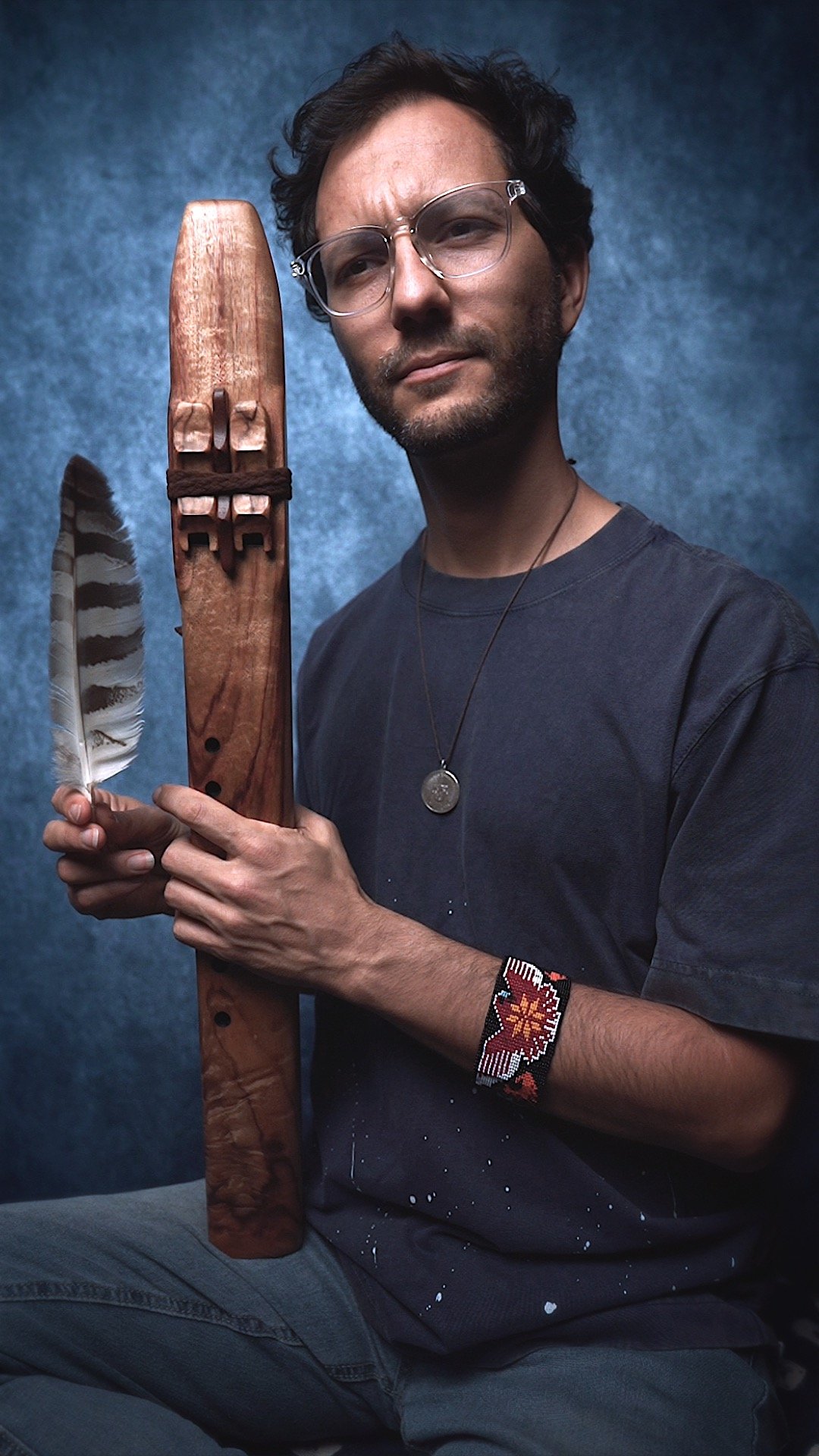
3. Creating a Practice Space
Having a dedicated practice space makes a big difference. Keep your tools nearby so you don't have to stop or get distracted—things like a metronome, pen and paper, and a way to record yourself. Even your phone with Voice Memos is more than enough.
4. Journaling Your Progress
Whenever possible, record yourself playing.
It’s one of the best ways to track your progress and notice things you might miss in the moment.
You can also write down small notes about what you practiced and how it felt.
5. Learning Like a Language
Learning an instrument is like learning a new language. You need to spend time with it, listen, try things out, and be okay with making mistakes.
Over time, things start to feel more natural. I’ll also share a playlist with flute music so you can stay connected to the sound and the feeling of the instrument.
6. Backing Tracks
Backing tracks are available at different speeds. Most early exercises include them so you can get used to playing with a pulse or with music. You'll also see bar counts on screen in some exercises for those who like to follow the structure while playing.
7. Video format & learning approach
These videos are designed to be short and direct, so you can use them more like a library rather than long lessons where things get lost.
This is a very intuitive instrument, and a big part of learning comes from simply spending time with it.
Try to listen closely and mimic what you hear.
Learning by ear is key—the more you do it, the more familiar the notes and patterns will become.
8. Pentatonic Scale approach
All exercises in this training are based on the pentatonic scale. Later we'll explore additional scales, but the concept remains the same—you'll be able to apply these ideas anywhere. This lets you focus on expression and flow rather than memorizing notes.
9. Spotify Playlist
I've gathered some of my favorite flute recordings to accompany your practice. As a starting point, I'd recommend listening to artists such as R. Carlos Nakai, Mary Youngblood, Coyote Oldman, Jana Mashonee, Guillermo Martinez, and Peter Phippen, along with the playlist shared inside the course. If you know an amazing artist that’s not on that list, please share with me!
10. Pentatonic Scale approach
If you'd like personal feedback, private flute lessons, or music business coaching, feel free to reach out. There's a dedicated section inside the training with more information. To learn more about my experience, click here.
❋
There is no perfect timeline. Come back to lessons as often as needed. The goal isn't simply to learn an instrument—it's to develop your own voice through it. Thank you for being part of The Current.

No flute yet?
Enjoy a 20% discount on selected I AM SOUND flutes. Use the code BRUNOJUSTI at checkout or click here.
Click here to explore available flutes at The Current.
Frequently Asked Questions
Still have questions? Take a look at the FAQ or reach out anytime.
-
Short answer: No, anyone can join!
Long answer: Music isn’t something we need to force or figure out from scratch, it’s something most of us already understand at a basic level. This training is designed to help you reconnect with that through clear and supportive guidance, whether you’re a complete beginner or an experienced musician.
-
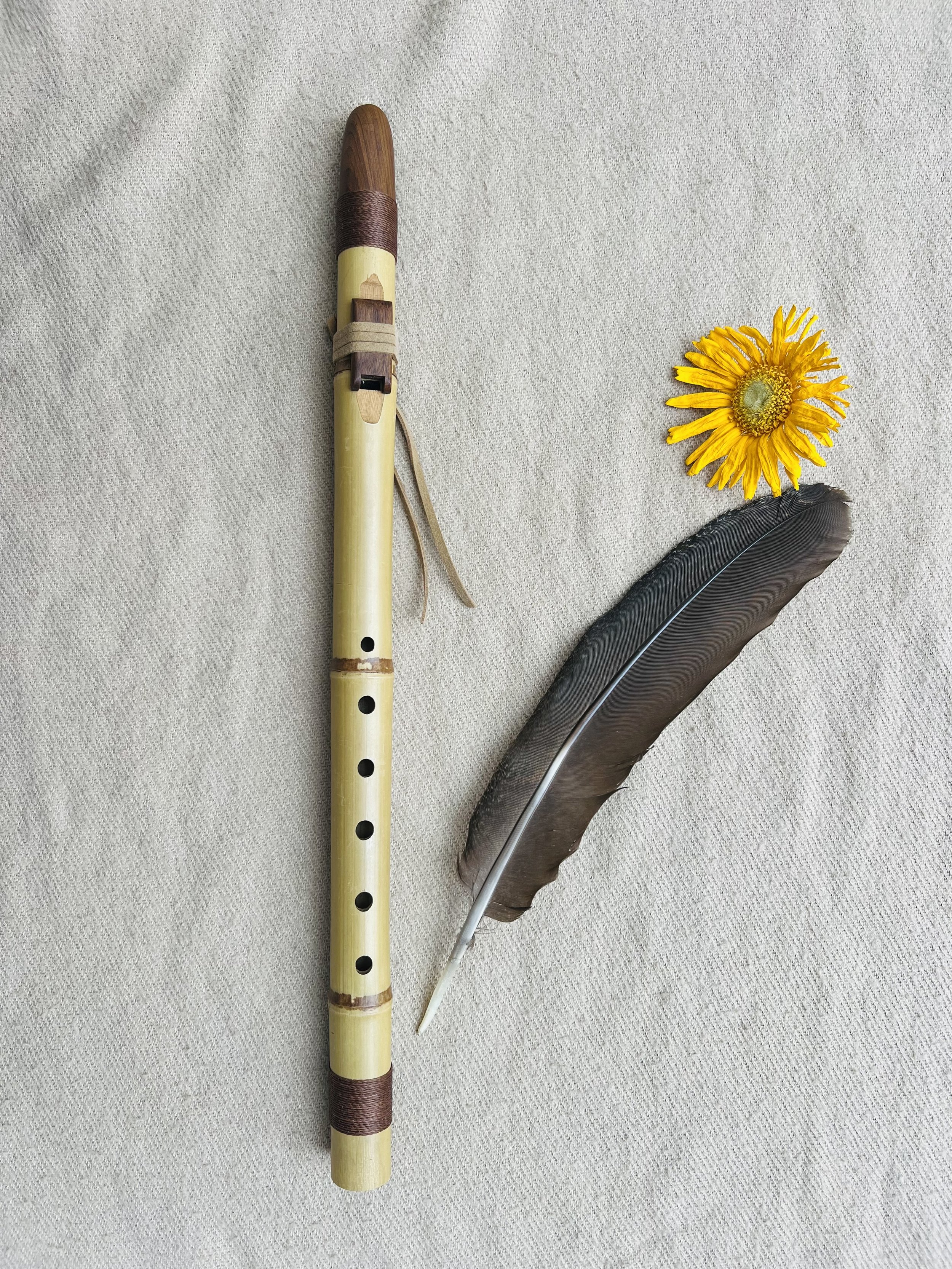
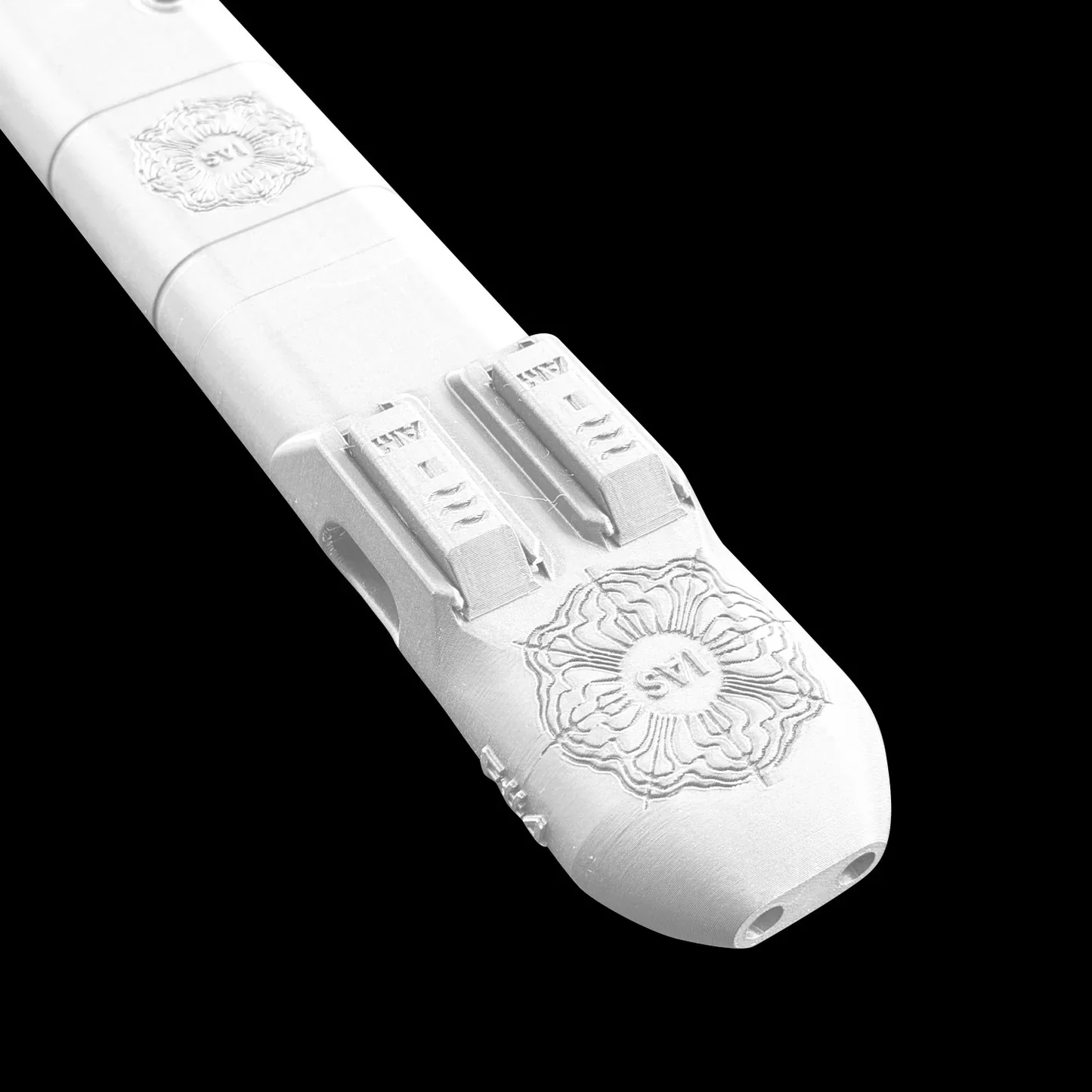
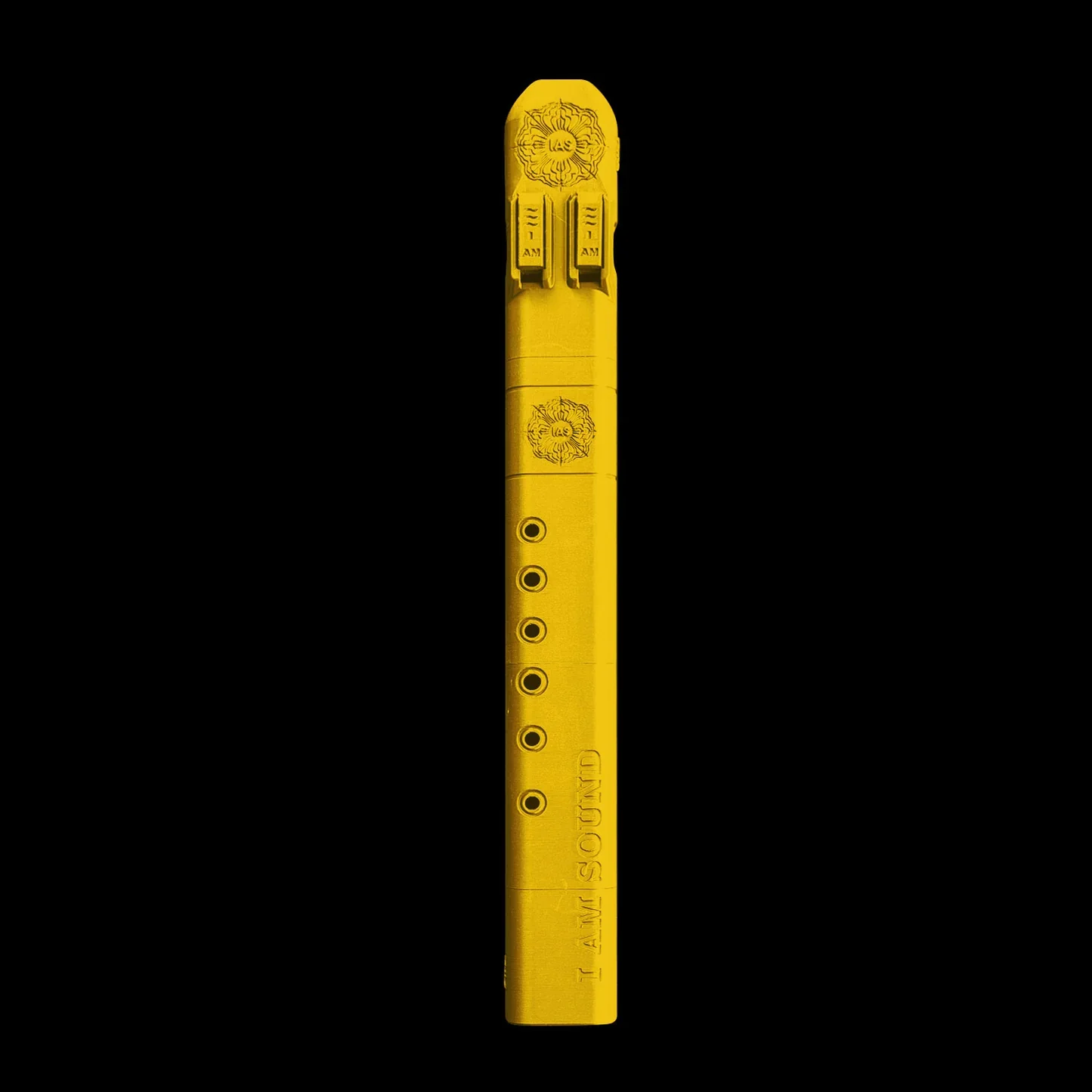
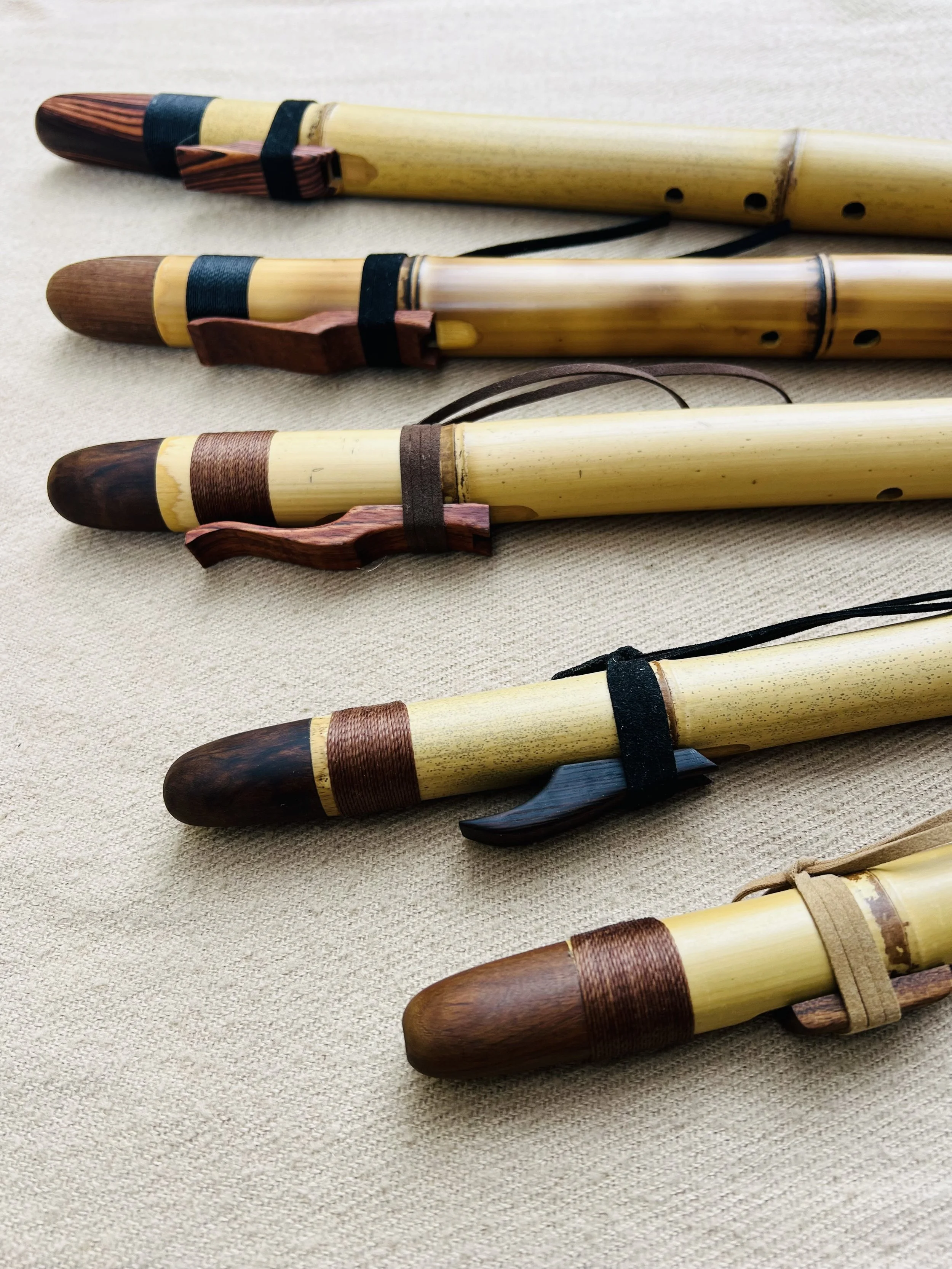
Throughout this course, you’ll see me playing several different types of flutes, including bamboo flutes, drone flutes, and 3D-printed flutes by a company called I Am Sound.
I like using different instruments so you can begin developing your ear for the subtle differences in tone, response, and feel between flutes.
If you’re just getting started, the 3D-printed flutes are honestly a great option. They’re lightweight, affordable, durable, and very reliable. I use them myself for recordings and even on tour because I can travel with them without worrying about damage.
Students of this training also receive a 20% discount on I Am Sound flutes (use code BRUNOJUSTI).
Most of the exercises in this course are demonstrated using flutes in the keys of A and D. The key of A is one of the most beginner-friendly options because of its comfortable hole spacing.
If your flute is in a different key, that’s completely fine. Simply follow the fingerings and exercises as demonstrated - the notes may sound different, but the technique, relationships, and musical results remain the same.
-
The Current | Online Native American flute training is beginner friendly. You will learn how to play your first notes as well as basic theory and breathing technique.
-
Yes, The Current | Native American flute training can be accessed via browser and mobile. All videos are professionally filmed / recorded for best experience.
-
Access to the training depends on the plan you choose. Please click on “Join The Current” to explore the available options and details.
-
In addition to the recorded material, students will also have access to occasional live online sessions announced at least 72 hours in advance.
These gatherings are a space to ask questions about the flute, music, recording, creativity, and professional artistic development in a more direct and interactive format.
-
The original material is in English.
AI generated subtitles and dubs are currently available in the following languages:
Portuguese
Spanish
Japanese
Italian
French
German
Danish
-
If you already have experience with the flute, this work can help you step back and refine your foundation.
Many of the exercises are developed from my background as a guitarist, transferring ways of practicing and thinking about movement to the flute.
This approach can help you develop more control over finger independence, timing, and articulation, while bringing more clarity and intention to how you move through the instrument.
-
The lessons are designed to be short, direct, and easy to revisit, allowing the training to function as a practical library rather than long-form lessons where information gets lost over time.
Most lessons are divided into:
1. Guidance
Clear explanation of the concept and its musical purpose2. Applied Practice
Structured exercises designed to help you naturally integrate the material -
Payments are securely processed through the platform. Available payment methods may vary depending on your country and can include credit card, debit card, and other regional payment options.
-
Yes. If within 7 days of your purchase you feel that the training is not the right fit for you, you may request a full refund.
-
Everyone learns at a different pace depending on consistency, attention, and practice. The training is designed to give you clear and structured guidance from the beginning, helping you gradually develop confidence, tone, musical flow, and expressive playing over time.
-
The Current is designed as an evolving learning environment rather than a static course. In addition to the existing training library, members gain access to new lessons, exercises, live classes, Q&A sessions, and future content as it is released.
The membership model allows the training to continue growing over time, providing ongoing guidance, fresh material, and opportunities to learn alongside the community.
-
Yes. You can manage your membership at any time through your account settings. If you choose to cancel, you will not be charged in the next billing cycle, and your access will remain active until the end of your current subscription period.
-
Yes. In addition to the recorded material and live sessions, students will have access to guidance and support through the platform whenever needed.
Contact

